
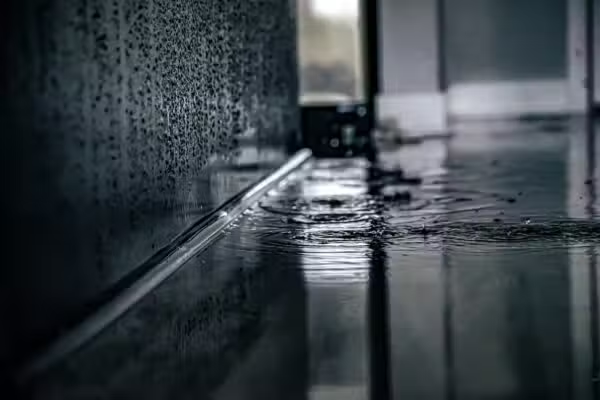
If you have spent even a single spring in the Kansas City metro, you likely understand the unpredictable nature of Midwestern weather. A bright, sunny morning can quickly surrender to a heavy afternoon downpour, bringing intense rains that test the limits of our gutters, roofs, and foundations. We are accustomed to the dramatic displays of thunder and lightning, but it is frequently what happens after the storm passes that causes the most trouble for homeowners. When the clouds clear and the sun returns, we tend to breathe a sigh of relief. However, the real threat to your property might just be beginning in the dark, hidden spaces of your house.
This quiet threat is the silent aftermath of spring showers: trapped moisture that often leads to secondary issues like microbial growth. Many homeowners may not realize that a strong defense against these hidden issues is rapid, thorough water mitigation. Surface drying might make things look normal, but it rarely addresses the moisture that may have wicked into drywall, seeped under flooring, or pooled in wall cavities.
At Frontier Restoration, we see ourselves as your personal property advocate. We focus heavily on proper water remediation because we know that managing the moisture right from the start is one of the most effective ways to help protect your home. We want to empower you with the knowledge to recognize when a seemingly small puddle could actually be a larger structural concern, and why relying on professional expertise often saves you from headaches down the road.
The Connection Between Spring Rains and Hidden Moisture
Spring in our region frequently brings saturated soil. When the ground struggles to absorb more rain, that excess water searches for the path of least resistance. Sometimes, that path leads straight into your basement, crawlspace, or through a compromised window seal.
When a home experiences a sudden influx of water, the visible puddle on the floor is usually just a fraction of the issue. Building materials like drywall, wood, and carpet padding can act like giant sponges. They often absorb many times their weight in moisture, pulling the water upward and outward, far beyond the initial source. This process can happen quite rapidly, potentially leaving you with structural elements that are damp on the inside even if they feel relatively dry to the touch on the outside.
Because these materials hold onto moisture so effectively, a poorly handled water event can create an environment where secondary damage is likely to thrive. Hidden microbial issues generally require only a few things to grow: a food source (like the paper backing of your drywall), comfortable temperatures, and moisture. By eliminating the moisture through comprehensive water mitigation, you can help remove the most critical ingredient for that growth.
This is why we emphasize structural drying over mere surface cleaning. A quick wipe-down might remove the immediate eyesore, but it frequently leaves the deep-seated moisture intact. As your Water Advocate, our goal is to trace the path of the water, locate where it might be hiding, and dry it out before the silent aftermath begins to take a toll on your property and your peace of mind.
Hypothetical Scenarios in the KC Metro Area
To truly understand how sneaky moisture can be, it helps to look at a few common situations that could easily unfold in our own backyards. Water has a way of tricking us into thinking the problem is solved when it might merely be hiding.
The Seeping Basement in Overland Park
Imagine a family living in Overland Park. After a heavy May thunderstorm, they go down to their finished basement to find a damp patch on the carpet near the foundation wall. Thinking quickly, they grab some thick towels, soak up the visible water, and set up a standard household box fan. After a couple of days, the carpet feels dry. They assume they have successfully handled the problem. However, the padding beneath the carpet and the baseboards behind the wall could still be saturated. Weeks later, they start noticing a persistent, musty odor. Had they utilized a professional water mitigation team, technicians would have likely lifted the carpet, removed the ruined padding, and utilized advanced drying equipment to pull moisture out of the drywall before that odor had a chance to develop.
The Sneaky Window Leak in Prairie Village
Consider a home in Prairie Village. During a strong storm, driving winds push rain against an older window frame. A small amount of water breaches the seal and trickles down inside the wall cavity. On the inside of the room, there is no visible puddle. The homeowner might wipe a few drops off the windowsill, largely unaware of the moisture trapped behind the paint. It might take weeks before the paint begins to bubble or a dark spot appears on the baseboard. By the time it becomes visible, the structural framing could be holding significant moisture. A professional team acting as a Water Advocate would know how to utilize specialized moisture mapping tools to detect that hidden water early on, creating a drying plan aimed at minimizing the need to tear out materials.
The Overwhelmed Sump Pump in Lee’s Summit
In Lee’s Summit, a sudden deluge of spring rain overwhelms a homeowner’s sump pump. A few inches of water cover the utility room floor. The homeowner spends the weekend running a wet-dry vacuum, managing to get most of the standing water out. They feel a sense of accomplishment. But utility rooms often have unfinished drywall or exposed wood studs. While the concrete floor might be relatively dry, the bottom few inches of the drywall may have wicked up contaminated water. This damp, dark environment can become a breeding ground for problems if not properly mitigated. Professional intervention would generally focus on cutting away the compromised materials and ensuring the framing is fully dry, helping to protect the home’s structural integrity.
Why DIY Water Mitigation Frequently Falls Short
In the age of online tutorials, it is tempting to tackle home issues on your own. We understand the desire to act quickly and try to save money. However, when it comes to an unexpected influx of moisture, DIY methods frequently fall short of addressing the full scope of the issue.
Everyday tools like mops, shop vacuums, and ceiling fans are primarily designed for surface-level problems. They are frequently not powerful enough to draw moisture out of dense building materials. When you attempt to dry a saturated wall with a standard fan, you might end up only drying the outer layer of paint, effectively sealing the moisture inside the wall cavity. This creates a hidden, humid micro-climate that is often an open invitation for microbial issues.
This is exactly why relying on a professional water mitigation team is so crucial. Instead of guessing whether a wall is dry, experts use sensitive equipment that tracks moisture deep within materials. We can often pinpoint exactly where the water traveled, which can be surprising. Water might start in the kitchen, run under the flooring, and pool beneath the living room sofa.
As your Water Advocate, Frontier Restoration helps take the guesswork out of the equation. We prioritize the science of drying. This involves controlling the airflow, managing the humidity in the room, and using commercial-grade equipment to literally pull the water vapor out of the air and the materials. Our focus is heavily on proper water remediation because stopping the moisture is generally the most reliable way to help prevent the silent aftermath from developing. We advocate for your home’s health by striving to ensure the drying process is complete and verified.
Signs You Might Have a Hidden Moisture Issue
Even if you believe a past leak was successfully cleaned up, it is a good idea to remain observant, especially during our wet spring months. Because moisture often hides behind the scenes, your senses are some of your best preliminary tools for detection.
- Persistent Odors: One of the most common indicators is a distinct, musty odor. If a specific room, closet, or basement area smells damp and earthy, even when the humidity is low outside, it could be a sign that moisture is trapped nearby.
- Surface Discoloration and Textural Changes: You might also want to keep a close eye on your walls and ceilings. Paint that begins to bubble, peel, or flake frequently points to moisture pushing its way out from behind the surface. Similarly, wallpaper might start to detach at the seams.
- Flooring Distortions: Pay attention to your floors as well. Wood floorboards might begin to cup or warp, while vinyl flooring could start to peel up at the edges. Baseboards that appear to be separating from the wall can also indicate that the materials behind them have swollen with water.
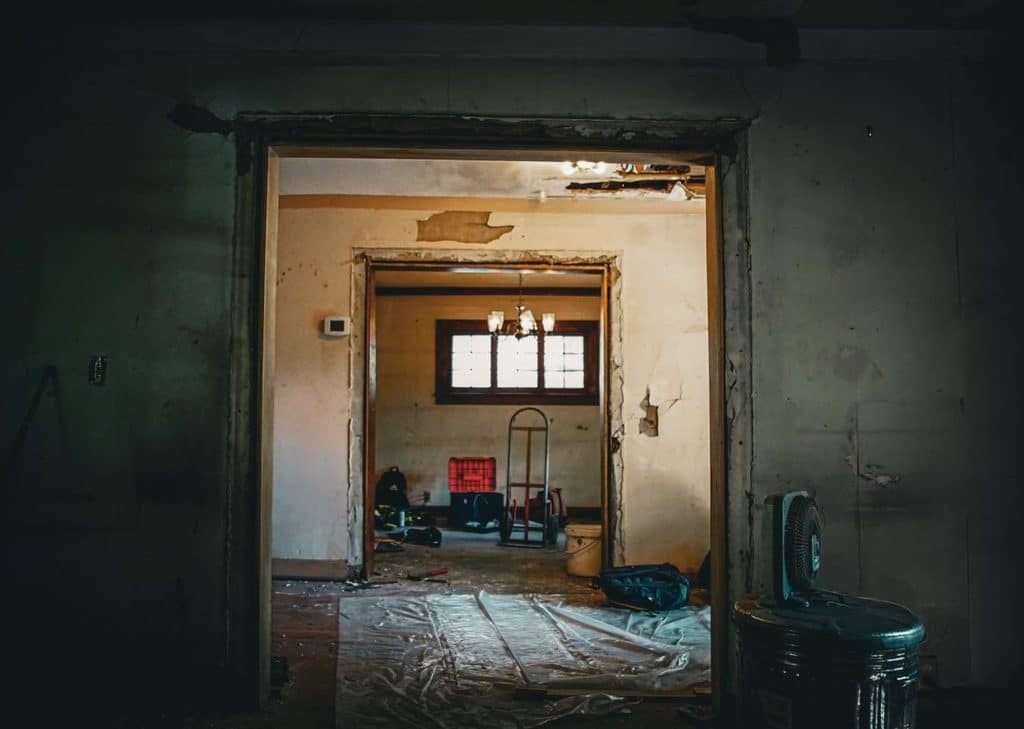
If you notice any of these signs, it may indicate that a previous water event was not fully resolved. Treating the symptom rarely fixes the problem; finding and addressing the lingering moisture is usually required.
Frontier Restoration: Your Water Advocate
Navigating the stress of home damage can feel overwhelming, but you do not need to face it alone. At Frontier Restoration, our philosophy is built around being a true Water Advocate for our clients in the Kansas City area. We aim to do more than just clean up a mess; we strive to help protect the long-term health and structural integrity of your home.
By focusing intensely on thorough water remediation, we work to stop secondary damage before it even has a chance to start. We work alongside you, explaining the drying process so you can understand what is happening in your home. We can also help you document the loss, which can be incredibly useful if you decide to file an insurance claim. Our priority is helping make your home safe, dry, and secure. Do not let the silent aftermath of a spring storm take you by surprise. Addressing the moisture properly the first time is one of the best investments you can make in your property.
Frequently Asked Questions
How long does it typically take for secondary issues like microbial growth to develop after a leak? While it can vary depending on the environment, microbial growth can often begin to develop within 24 to 48 hours after a water intrusion if the area is not properly dried. This is why immediate, professional water mitigation is highly recommended. Removing the moisture quickly helps eliminate the environment needed for these issues to thrive.
Can I just use bleach to clean up the area after a small basement flood? Bleach is sometimes used to address surface stains, but it rarely solves the root of the problem: the hidden moisture. Bleach typically struggles to penetrate porous materials like drywall or wood to reach the moisture trapped inside. A highly effective solution is comprehensive structural drying to help remove the water entirely.
Why should I consider hiring a professional for a seemingly small water spill? What looks like a small spill on the surface could actually be masking a much larger issue beneath your flooring or behind your walls. Professionals have the specialized equipment to track where the water has traveled and ensure it is properly extracted and dried, helping to protect your home from hidden, long-term damage.
Kansas City’s spring rains are beautiful, but they can leave hidden challenges behind. By understanding the importance of professional water mitigation and trusting a Water Advocate to help protect your home, you can enjoy the season without constantly worrying about what might be hiding in your walls.