
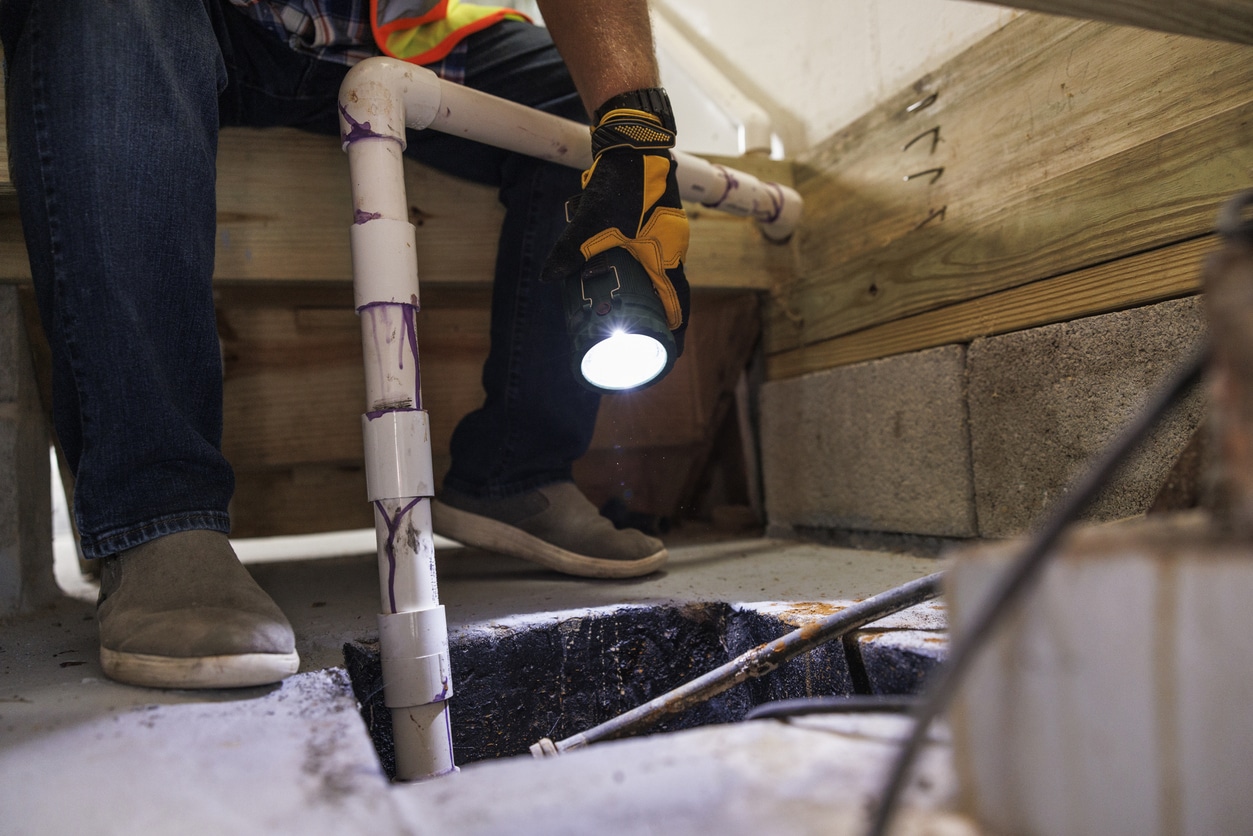
Summers in the Midwest can be beautifully vibrant, but they also bring a familiar, looming threat: severe thunderstorms. For Kansas City homeowners, the sudden shift from a warm afternoon to torrential downpours is a frequent occurrence. When the skies open up and rain falls at an alarming rate, the ground surrounding your foundation can quickly become saturated. During these intense weather events, your sump pump serves as the primary line of defense against unwanted basement moisture.
But what happens when that crucial piece of equipment stops working?
A failed sump pump during a heavy downpour can turn a quiet evening into a stressful situation within minutes. Standing water can accumulate rapidly, and the resulting damage often worsens by the hour. Treating this scenario as an immediate, 24-hour emergency is one of the most effective ways to protect your property from long-lasting harm.
The Perfect Storm: Why Sump Pumps Fail When You Need Them Most
Understanding why these systems falter can help you prepare, but even the most diligent homeowner might face a breakdown. Sump pumps tend to fail during severe summer storms for a few common reasons.
First, severe weather frequently causes widespread power outages. If a home loses electricity and the pump lacks a reliable battery backup system, the basin can overflow almost immediately. Second, the sheer volume of precipitation can simply overwhelm the pump’s capacity. If water enters the basement faster than the pump can push it out, flooding becomes highly likely. Finally, mechanical issues—such as a stuck float switch, a clogged discharge pipe, or a burned-out motor from excessive use—can bring the entire system to a sudden halt.
When the pump stops, the water has nowhere else to go but into your living space. This is where the clock starts ticking, and the need for swift water remediation becomes apparent.
The 24-Hour Window: How Quickly Moisture Spreads
Many people assume that a flooded basement is a static problem—that the water just sits there until it gets pumped out. In reality, water is highly dynamic and aggressively seeks out dry materials.
Within the first few hours of a sump pump failure, moisture can seep into baseboards, carpets, and upholstery. Drywall acts similarly to a sponge; through a process called capillary action, it can draw moisture upward, meaning water on the floor can quickly climb several inches up your walls.
If the situation is left unaddressed for 24 to 48 hours, the challenges multiply. Hardwood flooring may begin to cup or warp, carpet pads can deteriorate, and unpleasant, musty odors often start to permeate the area. This damp environment can also encourage unwanted fungal growth and poor indoor air quality, which can make the space uncomfortable and potentially unhealthy. Because secondary issues can develop so rapidly, beginning the water remediation process on day one is vital to minimizing the overall impact on your home.
The Risks of Taking the DIY Route
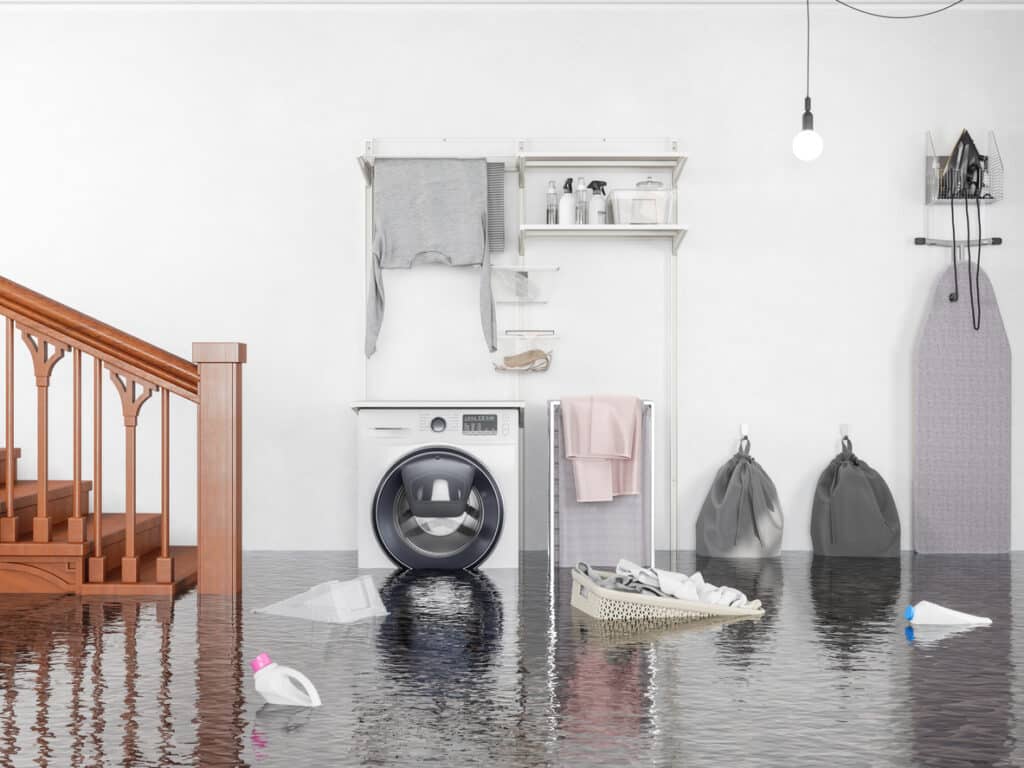
When faced with a few inches of water in the basement, a homeowner’s first instinct might be to grab a shop vacuum, a mop, and a few household box fans. While taking fast action is understandable, relying exclusively on do-it-yourself methods frequently falls short of addressing the true scope of the problem.
The primary difference between a DIY cleanup and a professional water mitigation service lies in what you cannot see. Surface drying does not account for the moisture trapped beneath floorboards, behind drywall, or inside structural framing. Household fans simply do not have the power to draw deep moisture out of building materials.
Furthermore, without specialized moisture detection tools, a DIY approach often leaves hidden damp pockets behind. These concealed wet spots can lead to lingering odors, compromised structural materials, and gradual decay over the following months. Choosing a professional water mitigation service over a DIY approach generally provides a much higher level of thoroughness, offering peace of mind that the space is truly dry, safe, and stable.
What Does Professional Water Remediation Involve?
Focusing heavily on proper water remediation is the key to bouncing back from a sump pump failure. When experts arrive at your property, they typically follow a structured process designed to halt the damage in its tracks and begin the drying phase efficiently.
1. Comprehensive Assessment Professionals usually start by mapping out the exact extent of the moisture spread. By using specialized thermal cameras and moisture meters, they can detect dampness hidden behind walls and beneath hard surface flooring without needing to unnecessarily tear your room apart.
2. Rapid Extraction The longer water pools, the more it degrades your home. Experts utilize powerful extraction tools that can remove hundreds of gallons of standing water much faster than standard consumer equipment.
3. Advanced Drying and Dehumidification Once the bulk water is gone, the focus shifts to the trapped moisture. High-velocity air movers are strategically placed to encourage evaporation, while commercial-grade dehumidifiers pull the excess moisture out of the air. This combination helps dry out studs, concrete, and drywall safely.
4. Continuous Monitoring True water remediation involves careful tracking. Professionals will routinely check the moisture levels in the affected materials to ensure the drying goals are being met, adjusting equipment as needed until the area returns to its pre-loss condition.
Frontier Restoration: Your Dedicated Water Advocate

Navigating a flooded basement can feel incredibly overwhelming. In the aftermath of a storm, you might find yourself juggling concerns about your home’s structural integrity, your personal belongings, and the confusing claims process. During times like these, you need more than just a cleanup crew; you need a dedicated water advocate.
At Frontier Restoration, we view our role as your partner in the recovery process. We advocate for the best interests of your property, ensuring that no corner is cut during the mitigation phase. Our goal is to empower homeowners by explaining each step of the process clearly, so you never feel left in the dark about the state of your own home.
The Local Difference for Kansas City Residents
When disaster strikes, the company you choose to handle the cleanup matters immensely. Frontier Restoration stands out because we are not a large, impersonal national franchise. We are proudly locally owned and operated right here in the Kansas City area. We live in the same communities, experience the exact same severe summer weather, and care deeply about helping our neighbors recover.
Because we are independent and local, we can often respond faster and provide a more personalized level of care than massive corporate chains. Additionally, we work closely and directly with insurance companies. We understand that dealing with adjusters and navigating policy paperwork can add significant stress to an already difficult situation. Our team provides comprehensive documentation, transparent communication, and collaborative support to help streamline your insurance claim, making the entire recovery process as smooth as possible.
If a summer storm has overwhelmed your sump pump, don’t wait for the damage to worsen. Swift, professional intervention is just a click away.
Frequently Asked Questions (FAQ)
1. How do I know if my sump pump is failing before a storm hits?
While unexpected breakdowns can happen, pumps often give warning signs before they fail completely. You might notice unusual noises like grinding or rattling, which can point to mechanical wear. If the pump runs continuously without shutting off, or if it vibrates excessively, it may be struggling to keep up. Additionally, if the unit is older than seven to ten years, it is frequently a good idea to have it evaluated or replaced proactively to ensure it is ready for heavy summer rains.
2. Does standard homeowners insurance cover sump pump failure?
Standard homeowners policies generally do not cover damage caused by water backing up through sewers, drains, or failed sump pumps. However, many insurance providers offer a specific “water backup and sump overflow” endorsement or rider that you can add to your policy. Since coverage varies greatly among different carriers and policies, it is highly recommended to review your specific documentation or speak directly with your agent to understand your current level of protection.
3. How long does the professional basement drying process usually take?
The timeline for drying out a basement can vary widely depending on the severity of the flooding, the types of materials affected, and the size of the space. In many cases, the active drying phase utilizing air movers and dehumidifiers takes anywhere from three to five days. However, materials like dense wood framing or concrete may require more time to release trapped moisture. A professional mitigation team will typically monitor the area daily to determine exactly when the space has reached safe, dry conditions.